seismic wire rope plays a crucial role in the field of geophysics, helping scientists study and understand the Earth’s structure and composition. This specialized type of wire rope is specifically designed to be used in seismic exploration, which involves studying seismic waves produced by earthquakes or explosions. In this article, we will explore the importance of seismic wire rope in geophysical studies and how it is used in seismic exploration.
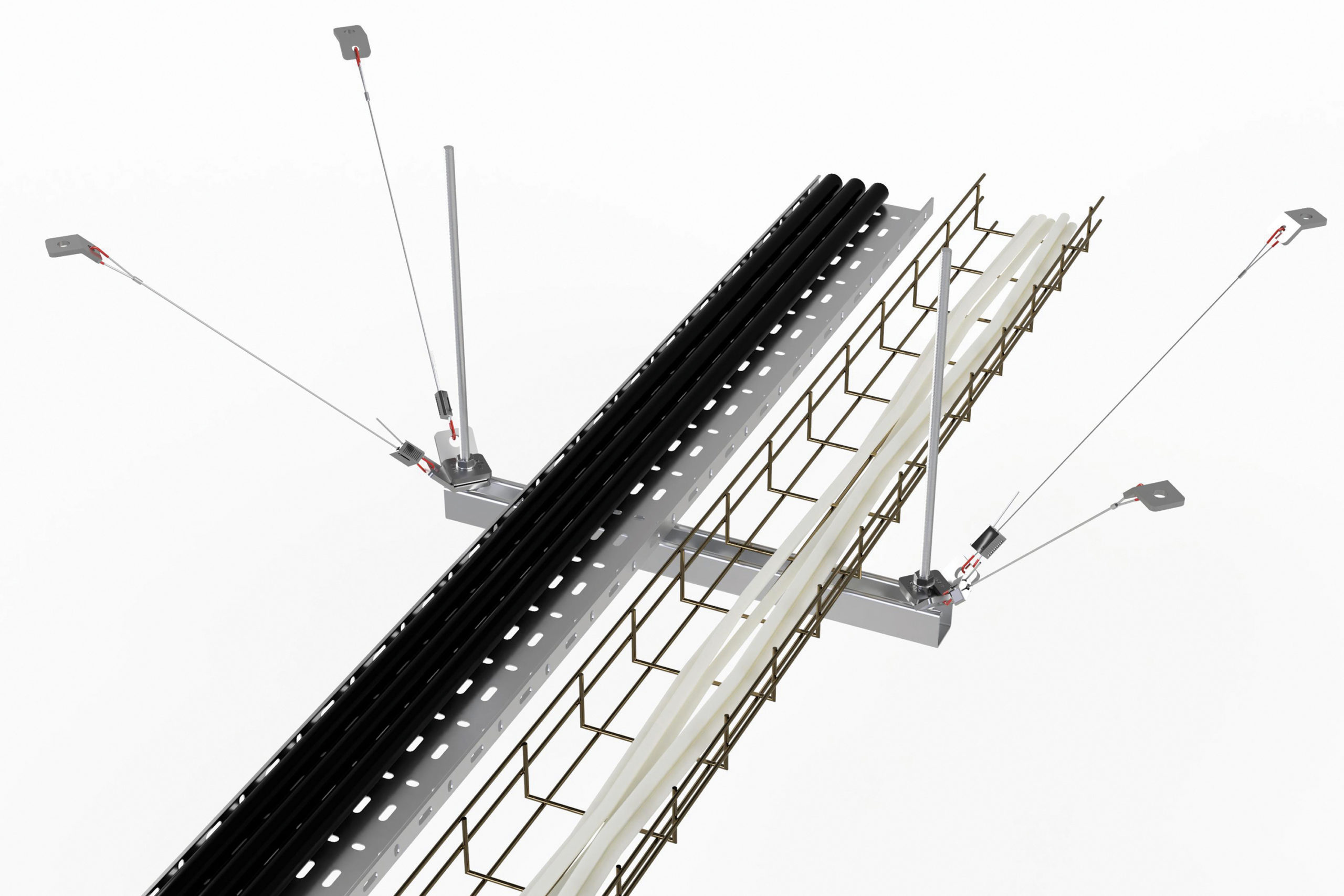
seismic wire rope is made from high-strength steel wires that are twisted together to form a durable and flexible rope. This construction allows the wire rope to withstand high tension and pressure, making it ideal for use in seismic exploration. The rope is typically attached to geophones, which are sensors used to detect seismic waves. These geophones are placed at specific intervals along the wire rope to gather data on the speed and direction of the seismic waves.
One of the main functions of seismic wire rope is to help scientists conduct seismic surveys. These surveys involve sending seismic waves into the ground and measuring how they are reflected back to the surface. This data can then be used to create detailed images of the Earth’s subsurface, helping scientists identify geological formations and potential energy resources. The seismic wire rope plays a crucial role in transmitting the seismic waves from the source to the geophones, allowing researchers to accurately measure and analyze the data.
seismic wire rope is also used in seismic imaging techniques such as reflection seismology and refraction seismology. In reflection seismology, seismic waves are sent into the ground and bounce off underground layers, creating echoes that are picked up by the geophones. By analyzing the time it takes for the waves to return to the surface, scientists can create detailed images of the Earth’s subsurface. Seismic wire rope helps ensure that the seismic waves are transmitted accurately and efficiently, allowing researchers to gather high-quality data for their studies.
In refraction seismology, seismic waves are sent into the ground at different angles to measure how they travel through different types of rock layers. By analyzing the speed and direction of the waves, scientists can determine the composition and thickness of the geological formations beneath the surface. Seismic wire rope is essential in this process, helping to transmit the seismic waves and capture the data needed to create accurate subsurface images.
The use of seismic wire rope is not limited to scientific research. It is also used in industries such as oil and gas exploration, mining, and construction. In these fields, seismic wire rope is used to conduct geophysical surveys to locate underground resources, plan construction projects, and ensure the safety of structures. The durability and strength of seismic wire rope make it a valuable tool in these industries, providing reliable data and insights into the Earth’s subsurface.
In conclusion, seismic wire rope is a crucial component of geophysical studies and seismic exploration. Its ability to transmit seismic waves accurately and efficiently plays a vital role in gathering data on the Earth’s subsurface and understanding its geological composition. As technology continues to advance, seismic wire rope will likely play an even more significant role in scientific research and industrial applications. Its strength, durability, and flexibility make it a valuable tool for scientists and engineers working to unlock the secrets of the Earth’s subsurface.